



10 Unexpected Robot Vacuum Tips
The Evolution and Impact of Robot Vacuum Cleaners
which robot vacuum cleaner vacuum have actually become a staple in modern-day homes, using benefit and efficiency in the often-dreaded job of cleaning. These ingenious devices have actually developed considerably since their introduction, transforming the way people preserve their living areas. This short article looks into the history, innovation, advantages, and future prospects of robot vacuums, supplying a detailed overview of their effect on day-to-day life.
A Brief History of Robot Vacuums
The concept of automated cleaning gadgets goes back to the early 20th century, however it wasn’t up until the late 1990s that the first commercially effective robot vacuum was introduced. The iRobot Roomba, launched in 2002, was a game-changer. At first, these gadgets were basic, counting on random navigation and restricted sensors. Nevertheless, over the years, developments in robotics, expert system, and artificial intelligence have actually led to more sophisticated designs that can browse complicated environments, avoid challenges, and tidy more effectively.
How Robot Vacuums Work
Robot vacuums operate utilizing a mix of sensors, algorithms, and motors. Here’s a breakdown of the essential elements:
-
Navigation Systems:
- ** RANDOM NAVIGATION: ** Early models utilized random navigation, relocating no specific pattern to cover the floor.
- ** MAPPING TECHNOLOGY: ** Modern robot vacuums utilize sophisticated mapping technology, such as LIDAR (Light Detection and Ranging) and VSLAM (Visual Simultaneous Localization and Mapping), to create a map of the space and browse efficiently.
- ** SENSORS: ** Various sensors, consisting of infrared, ultrasonic, and cliff sensing units, assist the robot detect barriers and prevent falls.
-
** Cleaning Mechanisms: **
- ** BRUSHES: ** Most robot vacuums have a combination of brushes, including side brushes and main brushes, to sweep and collect dirt.
- ** SUCTION: ** The suction power differs amongst models, with higher-end systems offering more powerful suction to handle a variety of cleaning needs.
- ** FILTERS: ** HEPA filters are commonly utilized to trap allergens and great particles, making robot vacuums helpful for people with allergic reactions.
-
** Connectivity and Control: **
- ** SMART HOME INTEGRATION: ** Many best robot hoover vacuums can be integrated with smart home systems, allowing users to control them by means of voice commands or smart device apps.
- ** SCHEDULED CLEANING: ** Users can set schedules for the robot to clean up at particular times, ensuring a tidy home without manual intervention.
Advantages of Robot Vacuums
-
Benefit:
- ** AUTOMATION: ** The main benefit of robot vacuums is their automation. They can clean floorings without the need for human supervision, maximizing time for other activities.
- ** SCHEDULED CLEANING: ** The ability to set cleaning schedules makes sure that the home is constantly tidy, even when no one is around.
-
Effectiveness:
- ** COVERAGE: ** Advanced mapping technology allows robot vacuums to cover the whole floor location, consisting of hard-to-reach corners and under furnishings.
- ** ENERGY SAVING: ** Some designs are designed to be energy-efficient, conserving power when not in usage and optimizing battery life during cleaning.
-
** Versatility: **
- ** FLOOR TYPES: ** Robot vacuums can handle different floor types, consisting of hardwood, tile, and carpet, making them suitable for various home environments.
- ** ADDITIONAL FEATURES: ** Many designs come with extra functions like mopping, pet hair removal, and multi-room cleaning.
-
** Environmental Impact: **
- ** REDUCED CHEMICAL USE: ** By preserving a clean home, robot vacuums can minimize the need for chemical cleaners, adding to a more environmentally friendly living environment.
- ** DUST COLLECTION: ** Efficient dust collection systems assist minimize airborne particles, enhancing indoor air quality.
Often Asked Questions (FAQs)
1. Are robot vacuums worth the investment?
- Answer: Yes, for numerous individuals, robot vacuum cleaners, just click the next website page, vacuums are worth the financial investment. They offer benefit, save time, and can improve the general cleanliness of a home. Nevertheless, the worth might vary depending on individual requirements and budget plan.
2. How do I establish a robot vacuum?
- Response: Setting up a robot vacuum is normally simple. Location the robot in the charging dock, link it to Wi-Fi (if applicable), and utilize the app or control panel to set cleaning schedules and preferences. Some designs might need the installation of virtual walls or boundary markers to mark cleaning locations.
3. Can robot vacuums clean stairs?
- Response: Most robot vacuums are not developed to clean stairs. They use cliff sensors to detect the edge of stairs and prevent falling. However, some specialized designs are offered for stair cleaning.
4. How frequently should I empty the dust bin?
- Answer: It is recommended to empty the dust bin after each cleaning session to ensure the robot runs at optimal effectiveness. This also helps avoid smells and the spread of dust.
5. Are robot vacuums suitable for pet owners?
- Answer: Yes, lots of robot vacuums are particularly developed for pet owners. They have powerful suction and specialized accessories to eliminate pet hair and dander effectively.
6. Can robot vacuums clean under furnishings?
- Response: Yes, most Best robot vacuum and mop UK vacuums are developed to fit under furniture and tidy these areas. Their slim profiles and advanced navigation systems make it possible to reach tight areas.
7. What is the lifespan of a robot vacuum?
- Response: The lifespan of a robot vacuum can vary, however a lot of models last in between 2 to 5 years with correct upkeep. Routine cleaning and battery care can extend their life-span.
Picking the Right Robot Vacuum
When selecting a robot vacuum, consider the following factors:
-
Budget:
- ECONOMICAL MODELS: There are economical alternatives that offer standard features appropriate for little to medium-sized homes.
- PREMIUM MODELS: Higher-end models include advanced functions like mapping, smart home integration, and powerful suction, making them ideal for bigger homes or those with particular cleaning requirements.
-
Floor Type:
- HARD FLOORS: If you have wood or tile floors, try to find a model with strong suction and excellent edge-cleaning abilities.
- CARPETS: For carpeted homes, choose a robot vacuum with adjustable suction and a robust brush system.
-
Smart Features:
- APP CONTROL: Consider whether you want the ability to control your robot vacuum through a smartphone app.
- VOICE COMMANDS: Some models are suitable with voice assistants like Amazon Alexa or Google Assistant.
-
Battery Life:
- LONG-LASTING BATTERIES: Look for a design with a long battery life to ensure it can clean large areas without needing frequent recharges.
- AUTO-RECHARGE: Ensure the robot vacuum can go back to its charging dock automatically when the battery is low.
-
Upkeep:
- EASY CLEANING: Choose a model with easy-to-clean filters and brushes to decrease maintenance time.
- REPLACEMENT PARTS: Check the availability and cost of replacement parts, such as filters and brushes.
Future Prospects
The future of robot vacuums looks promising, with ongoing advancements in innovation:
-
Improved Navigation:
- ARTIFICIAL INTELLIGENCE: AI will continue to boost navigation systems, making robot vacuums more smart and efficient.
- MULTI-FLOOR MAPPING: Future models might have the ability to map and clean numerous floors of a home seamlessly.
-
Improved Cleaning Capabilities:
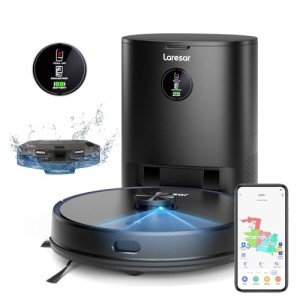
- MORE POWERFUL SUCTION: Innovations in motor technology will likely result in more powerful suction, improving cleaning performance.
- SMART SENSORS: Advanced sensing units will enable better detection of dirt and discolorations, enabling targeted cleaning.
-
Integration with Home Automation:
- SMART HOME ECOSYSTEMS: Robot vacuums will end up being more integrated with other smart home devices, developing a cohesive and automated cleaning system.
- ENERGY MANAGEMENT: Future designs may consist of energy management functions that optimize cleaning based on electricity usage patterns.
-
Sustainability:
- ECO-FRIENDLY MATERIALS: Manufacturers might start using more sustainable materials and styles to lower the environmental effect of robot vacuums.
- RECYCLABILITY: Improved recyclability of parts and much better disposal practices will contribute to a greener future.
Robot vacuum have come a long way because their beginning, offering a variety of advantages that accommodate contemporary way of lives. From their sophisticated navigation systems to their combination with smart home technology, these devices are more than simply a benefit; they are a significant step forward in home automation. As technology continues to progress, the abilities and efficiency of robot vacuums will just enhance, making them a much more valuable addition to any home.
Whether you are a busy professional, a pet owner, or simply someone who values a clean living area, a robot vacuum can substantially enhance your daily regimen. By considering aspects like budget, floor type, and smart functions, you can choose the ideal model to meet your needs and delight in the myriad benefits of automated cleaning.
Additional Tips
- ** Regular Maintenance: ** Keep your robot vacuum in great working condition by regularly cleaning the brushes, filters, and sensors.
- ** Obstacle Management: ** Move bigger challenges like shoes and toys before beginning a cleaning session to ensure the robot can navigate easily.
- ** Floor Preparation: ** Use pet hair cleaner or a microfiber cloth to pre-clean locations with heavy pet hair before running the robot vacuum for better outcomes.
By following these tips and remaining informed about the newest advancements, you can take advantage of your robot vacuum and keep a clean, healthy home environment.